 In the Spotlight
Anti-DDoS for peering networks
From the advertised capacity to the actual length of track protected
This article is a public summary of the briefing note produced by Working Group 002 – Technical Operations. It sets out the key findings from six months’ work on Anti-DDoS.
 Teaching & Best Practice
The Internet grows where networks converge
A Brief History of the Development of the Internet
The Internet has become global because independent networks have learnt to connect with one another, exchange traffic and create value together.
 Strategic Issues
Community, commercial or research-based IXPs
Understanding the models without pitting them against one another in order to choose which IXP to connect to
A framework for understanding who controls the infrastructure, who operates it, what services it provides and under what rules.
 Data & Research
FLAP without the P
What global peering capacity data reveals about France
FLAP refers to the four major European peering hubs: Frankfurt, London, Amsterdam and Paris. However, Paris is struggling to maintain its position. An analysis of global peering capacity data and the implications for regional IXPs.
 Territories & Ecosystems
IXPs serving local communities
Resilience, performance and appeal in the Greater West
The Grand Ouest region is a perfect example of how regional IXPs can transform a region’s digital ecosystem. Here’s a look at local initiatives and their tangible impact on the resilience and competitiveness of regional stakeholders.
 Data & Research
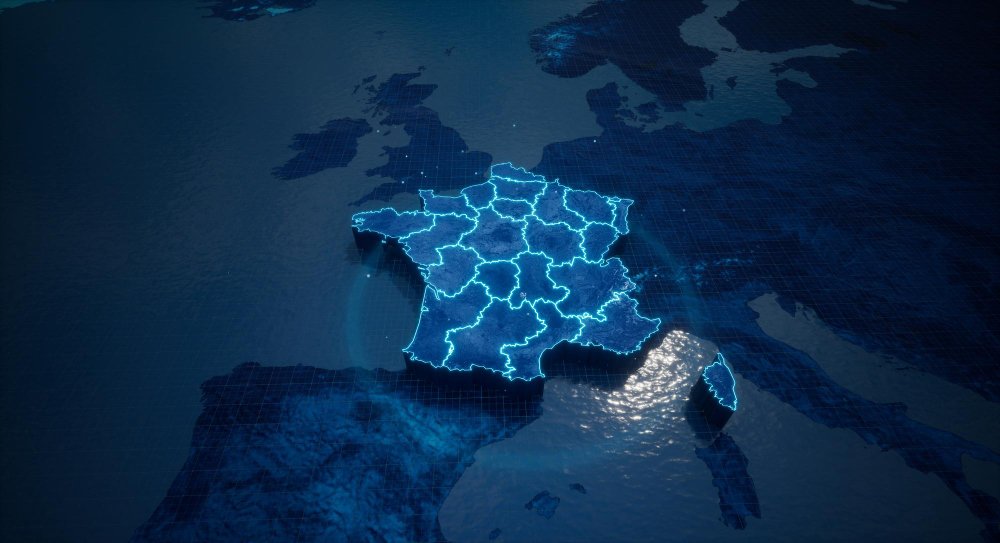
An analysis of the French internet
The excessive concentration of ASNs and the urgent need for decentralisation
Of the 1,855 French Autonomous Systems registered with RIPE NCC, nearly half are based in Île-de-France. A previously unpublished study reveals a striking regional imbalance and highlights the strategic importance of local peering.
 Teaching & Best Practice
Common misconceptions about peering
Five myths debunked to help us better understand interconnection
"Peering is only for major operators." "BGP is too complex." "Peering can replace transit." These misconceptions are holding back the adoption of peering. It is time to debunk them.
 Territories & Ecosystems
Map of IXPs in France
An overview of Internet exchange points in France
France currently has 19 active IXPs, bringing together more than 730 members. Initiatives such as Breizh-IX in Brittany, Ouest.Network in Nantes, and Lillix in the Hauts-de-France region demonstrate that it is possible to create viable local ecosystems.
 Teaching & Best Practice
Network routing security and the adoption of RPKI
Current situation and challenges facing the French ecosystem
The RPKI (Resource Public Key Infrastructure) is the mechanism used to secure BGP routing. Its adoption is growing, but remains insufficient. An analysis of the barriers and drivers for better routing practices.
 Strategic Issues
Why IXPs are important
Critical infrastructure, not just a passing fad
Internet exchange points are often overlooked in discussions about critical infrastructure. Yet their role in routing stability, local resilience and digital sovereignty is undeniable.
