
Why IXPs matter: Critical Infrastructures beyond the rhetoric
Internet Exchange Points (IXPs) are often overlooked in critical infrastructure discussions. Yet their role in routing stability, local resilience and digital sovereignty is undeniable. This article explores what happens when an IXP fails, and why classifying them as critical infrastructure is not just an administrative formality, but a systemic necessity.
What is an IXP and why is it important?
An Internet Exchange Point (IXP) is a physical facility where multiple Autonomous Systems (AS) exchange IP traffic. Rather than routing traffic through expensive upstream providers, networks can peer directly, reducing costs, latency and dependency on transit. Most IXPs rely on a high-performance switching infrastructure, route servers and, optionally, measurement and monitoring tools.
Beyond their technical efficiency, IXPs strengthen national resilience, improve the user experience by keeping traffic local, and serve as essential coordination nodes in times of crisis. However, despite their fundamental role in the architecture of the Internet, they often remain invisible to the public and decision-makers alike. Their vulnerabilities are therefore regularly underestimated.
The paradox of invisibility
Despite their essential function, IXPs are virtually absent from public debate and infrastructure policies. This «paradox of invisibility» gives rise to three systemic risks:
Economic optimisation at the expense of resilience: traffic accumulates on a few major IXPs, concentrating the risks; ;
Dependency on small operators: many small providers rely on a single IXP for access to affordable connectivity and key content providers; ;
Topological centralisation: specific IXP locations carry the lion's share of regional traffic, creating structural points of vulnerability.
When IXPs fall: concrete examples
Let's look at the practical consequences of IXP failure through a few real-life incidents:
Kenya (KIXP): Building resilience with limited resources
In 2000, the Kenyan government tried to block the creation of KIXP. Thanks to the mobilisation of the local technical community, IXP was finally launched, reducing transit costs by more than 70% and improving routing stability despite limited resources.
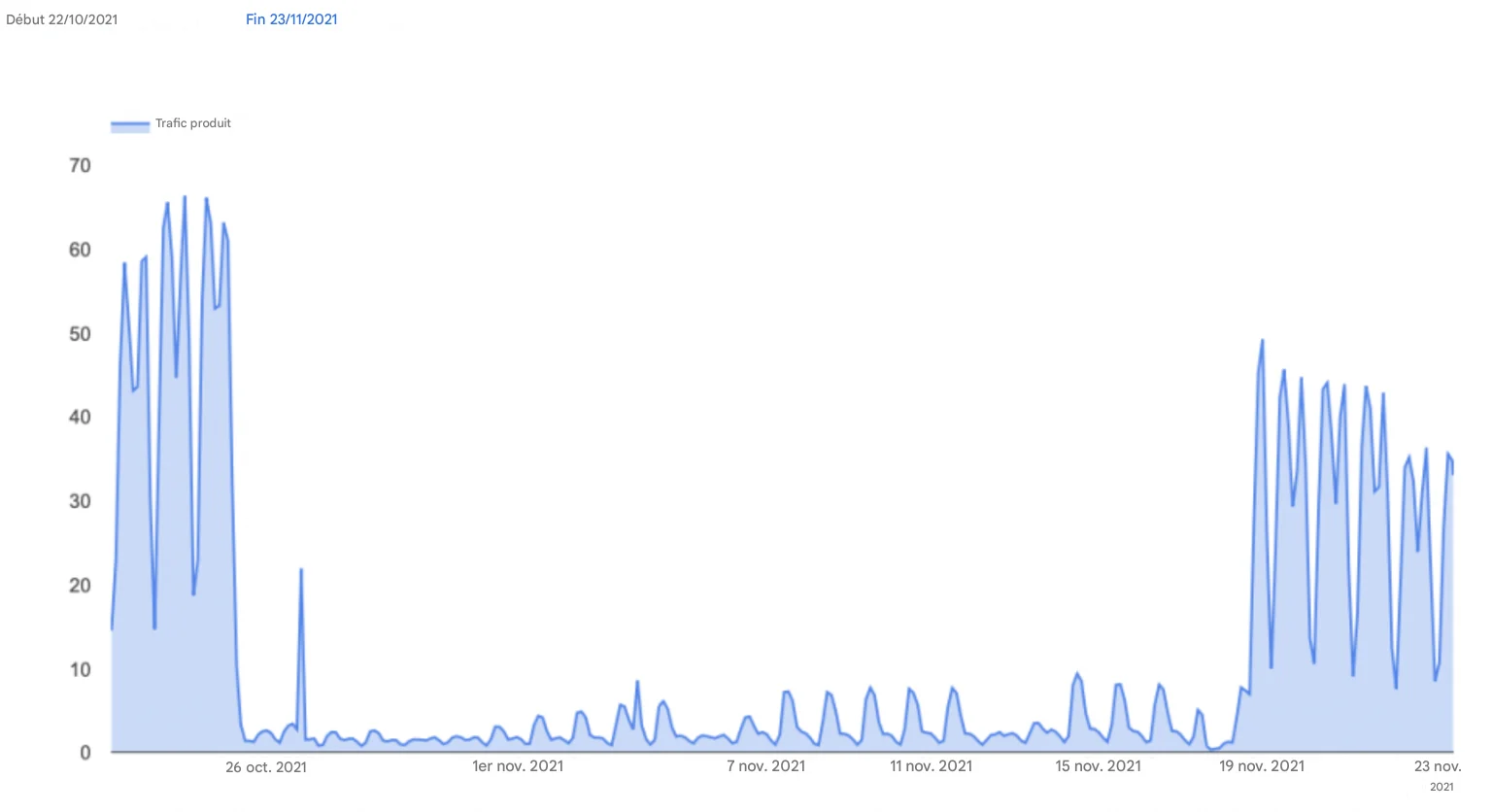
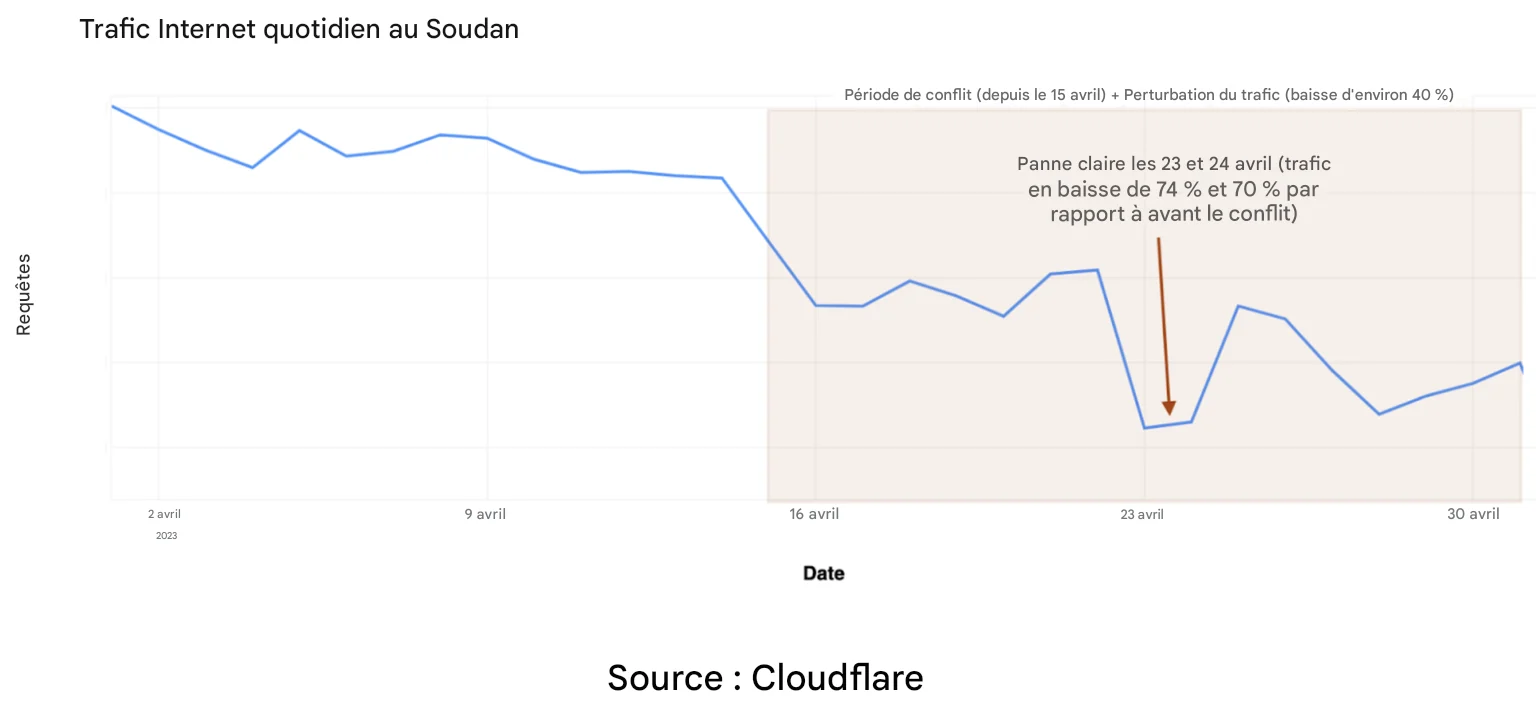
Sudan: Total national isolation
During the Internet blackouts between 2021 and 2023, the lack of a solid IXP left the country without any local interconnection, and even internal traffic was cut off. Dependence on international links, which were subsequently cut, led to almost complete isolation.
Brazil (IX.br) : State-controlled redundancy
In Brazil, IX.br, managed by CGI.br, has 35 locations. During the peak in traffic during the 2020 pandemic, this geographical distribution enabled the increase to be absorbed without interruption. This model proves that public coordination and decentralisation strengthen systemic resilience.
Germany (DE-CIX): Power cuts, widespread impact
In 2018, a power failure in the Interxion FRA5 data centre affected a major DE-CIX switch, resulting in a loss of Europe-wide BGP visibility. Although redundancies are in place, the incident illustrates the dependency on specific physical points.
United Kingdom (LINX): Large-scale routing re-convergence
In 2021, a software fault at LINX caused a massive re-conversion of traffic, primarily affecting smaller operators. Although the situation was resolved, the episode highlights the cascading effects that extend beyond borders.
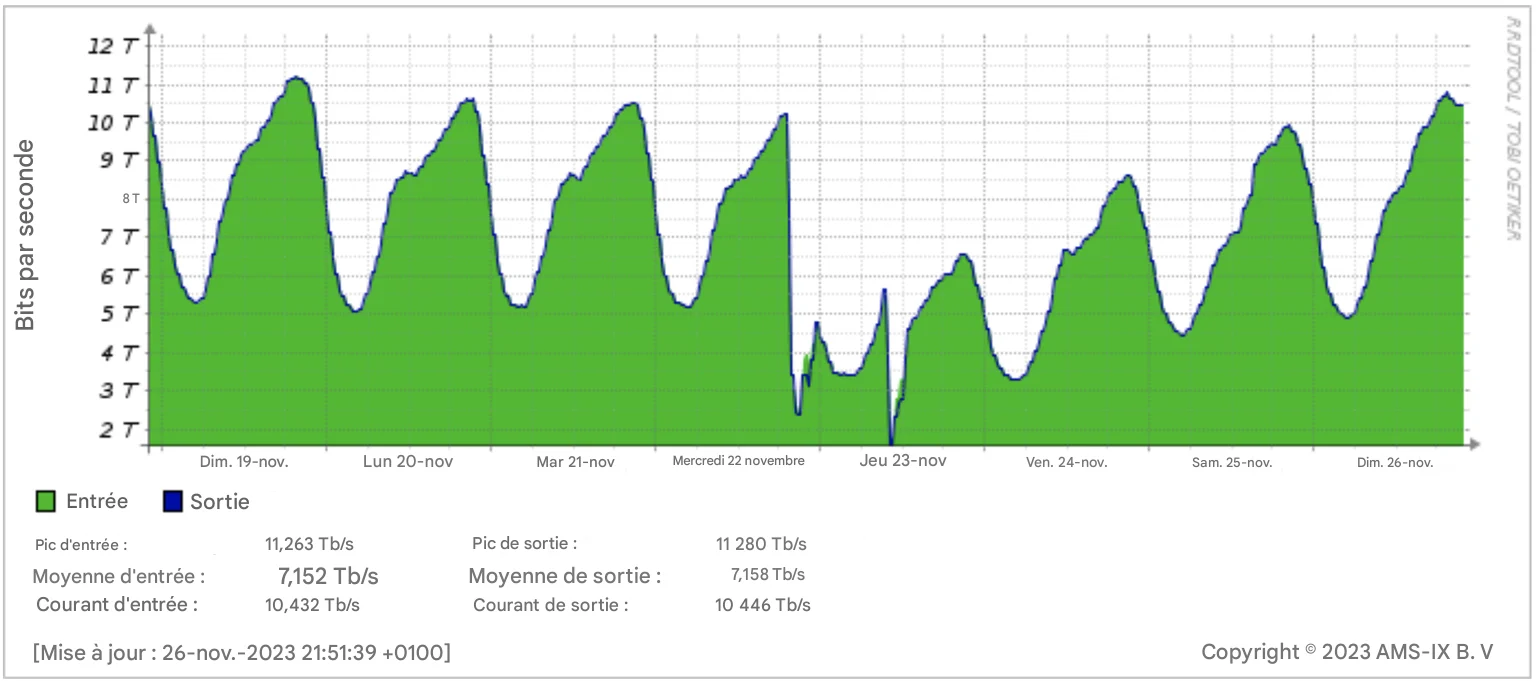
Netherlands (AMS-IX): Traffic collapse
In November 2023, AMS-IX suffered two major breakdowns, resulting in a total outage time of more than 5 hours. Traffic dropped from 10Tb/s to 2Tb/s, impacting many European suppliers dependent on this exchange.
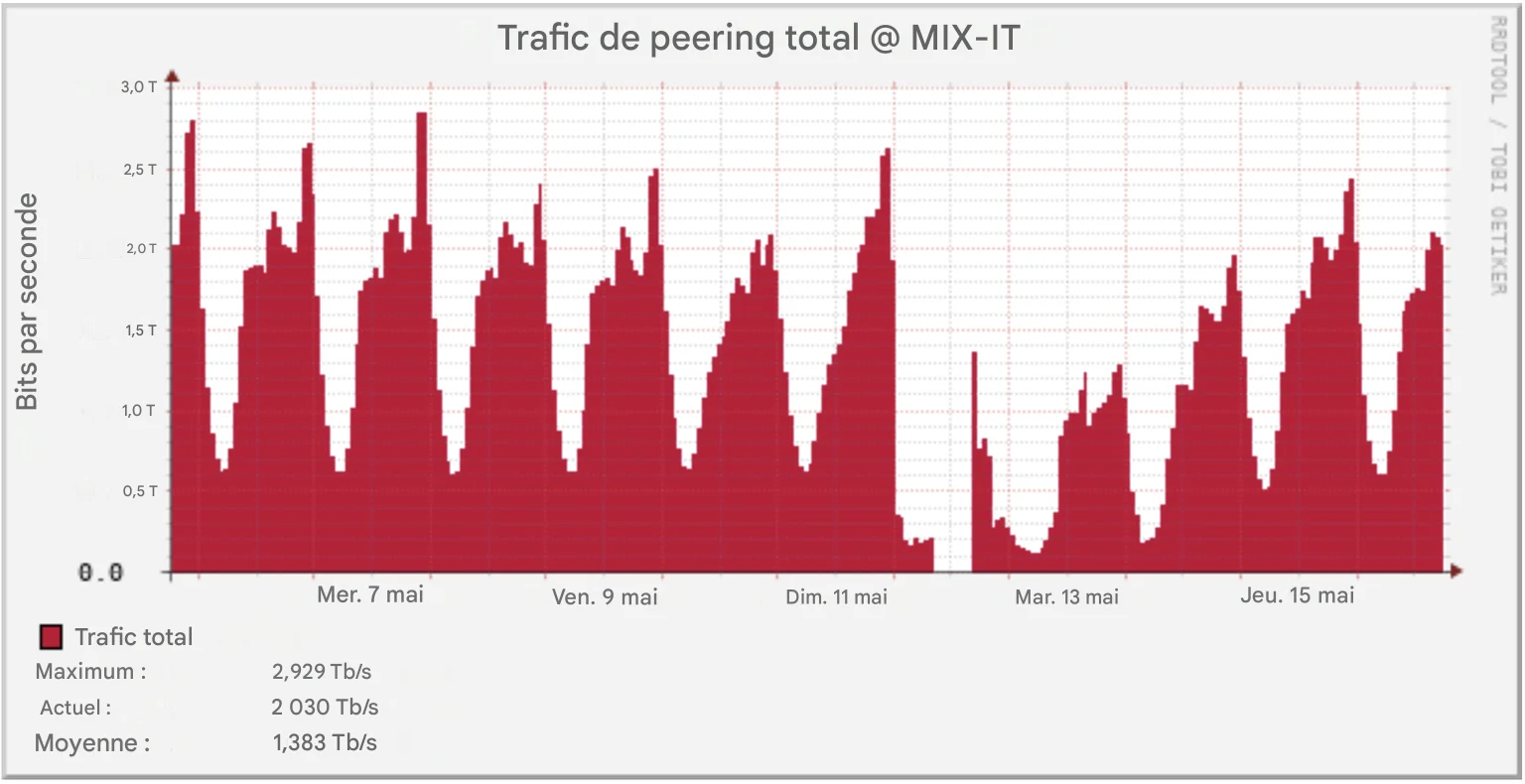
Italy (MiX): National impact
On 12 May 2025, a breakdown at the Milan Internet Exchange (MiX) disrupted a number of local services, causing nationwide slowdowns and unavailability.
Teaching
IXPs are not simply technical «optimisers», but systemic stabilisers; ;
A failure can cause massive routing problems, congestion and service unavailability; ;
National Internet resilience is highly dependent on the robustness, governance and redundancy of local IXPs.
IXP and resilience: From crisis buffer to digital sovereignty
IXPs as buffers in times of crisis
When we talk about resilience, the focus is often on backbone operators, submarine cables or DNS. But IXPs quietly play a key role in cushioning crises, locating traffic and preserving critical connectivity.
Local traffic, local impact
IXPs reduce dependence on long-distance transit routes. By enabling networks to exchange data locally, they provide both latency gains and a structural advantage: autonomy. In the event of a crisis (war, disaster), this autonomy becomes resilience. For example, during the war in Ukraine, local operators maintained minimal connectivity via local peering, limiting international exposure. Conversely, countries with an underdeveloped peering ecosystem remain vulnerable when it comes to routing.
IXPs as shock absorbers
Without a solid or well-governed IXP, the effect of breakdowns (energy, cyber attacks, embargoes) is amplified. Recent examples:
Kenya, 2023: power cut, local traffic switched to international routes, with deterioration in quality ;
Sudan: repeated cuts, lack of IXP worsens isolation ;
Iberian Peninsula, 2025: major breakdown, Portuguese traffic reduced by 90%, but Spain holds up better, partly thanks to a higher IXP density.
These cases underline the fact that an IXP is not just a router, it's a crisis buffer.
Strategic sovereignty
A country with robust and neutral IXPs:
is less dependent on the international arena; ;
can apply its security policies more effectively; ;
has greater visibility of local traffic; ;
promotes regional development and inclusion.
In Russia, the conflict in the Ukraine resulted in extensive centralisation of IXP control. In Ukraine, decentralisation and agile failover capability were vital. In Brazil, debates on neutrality led to the strengthening of IX.br as a pillar of sovereignty as well as performance.
The risk of centralised peering
Sovereignty and resilience are threatened if the IXP infrastructure is concentrated: risks of single failure, abuse of dominant position, lack of transparency, dependence for small networks. A multi-IXP ecosystem, governed in an open and federated way, mitigates these risks: neutrality is a structural condition.
Recognising IXPs as critical infrastructure: what needs to change
Despite their central role, very few countries classify IXPs as critical infrastructure - the focus often being on submarine cables, datacentres or DNS.
Governance: Transparency before size
Many IXPs start out small and associative. But their governance often remains informal, a risk when traffic increases. Key principles :
Neutral ownership (no single dominant commercial player) ;
Multi-stakeholder governance (operators, universities, civil society, etc.) ;
Publication of statistics, membership and pricing policies ;
Back-up plans and redundant infrastructure.
Otherwise, the IXP becomes a technical failure point... and an institutional one.
Technical hygiene: routing security and observability
To be resilient, IXPs must be secure and observable:
Route server filtering (prefix/AS-path validation) ;
RPKI support and BGP supervision tools ;
Public interfaces (Looking Glass, IXP Manager, etc.) ;
Participation in best practice programmes (e.g. MANRS).
It's not a luxury: in a world of BGP leaks, hijacking and cyberthreats, it's a minimum.
Politics: From recognition to resilience
Few pieces of legislation include IXPs in lists of critical infrastructures. They should be included in :
national cyber security strategies ;
regulatory frameworks for network resilience (NIS2, CER, etc.); ;
funding arrangements for incident preparation.
At European level, IXPs could be integrated into schemes such as CEF Digital, or under the supervision of ENISA.
A federated model for continental resilience
The European IXP ecosystem is dense but fragmented, which is a strength (no single focal point) but also a coordination challenge. Possible recommendations:
A European IXP resilience observatory (RIPE, Euro-IX, ENISA, etc.); ;
A shared framework for responding to incidents targeting IXPs ;
Voluntary audits, federated supervision of best practice.
The aim is not to impose a single form of governance, but to strengthen coordination and transparency.
Conclusion
IXPs are not «simple switches». They are interconnection commons, supporting openness, decentralisation and collaboration. Recognising them as critical infrastructure is not a symbol, it is a technical imperative.
This means investing in their resilience, governance and neutrality. Whether it's maintaining a village's local connection during a blackout, or buffering continental geopolitical shocks, IXPs are the silent guarantors of continuity. Their impact is evident whenever traffic remains local, and whenever a crisis is absorbed rather than amplified.
Preparing for the Internet of the future requires integrating IXPs into national and European resilience strategies, ensuring transparent governance, funding redundancy, and promoting cross-border cooperation. At a time when connectivity is vital for the economy, democracy and security, ignoring IXPs means leaving a critical gap in our collective defences. A resilient Internet requires resilient IXPs.
The future lies in diversity, neutrality, transparency and cooperation... exactly the spirit that has made the Internet such a success.
Sources and credits
Author : Antonio Prado
A specialist in Internet networks and infrastructures, Antonio Prado is a recognised engineer in the European peering and exchange point (IXP) ecosystem. He regularly collaborates with the RIPE community and helps to raise awareness of the strategic importance of Internet infrastructures. The original article was published on RIPE Labs.
Contributors :
Flavio Luciani
Flavio Luciani is an Italian Internet expert and CTO at Namex, one of Italy's leading Internet exchange points. Active in promoting the resilience and growth of IXPs, he shares his expertise through publications and contributions to the international community..French adaptation: FRNIX
Translation, adaptation and localisation by FRNIX to make this content accessible and relevant to the French-speaking public, while respecting the original text.
Prado, Antonio. «Why IXPs Matter: Critical Infrastructure Beyond the Hype [online]. RIPE Labs, 21 May 2024. Available at : https://labs.ripe.net/author/antonio-prado/why-ixps-matter-critical-infrastructure-beyond-the-hype/
Make the most of your IXP: sign up for a BGP workshop

2 days to understand everything:
basics, routes, filters, errors, best practice.
But above all : concrete cases. And experts to guide you.
